

“There is only one corner of the universe that you can be certain of improving, and that is your own self.”
-Aldous Huxley
What is Ketamine Assisted Psychotherapy (KAP)?

In certain cases, and when working with certain types of traumatic experiences, talk therapy alone may not quite be enough to allow us to safely open up to and stay with our pain long enough to begin the deeper processes of letting it go. Similarly, sometimes certain narratives we have about ourselves are ingrained so deeply that we struggle to relinquish them even when we know they cause us suffering.
Ketamine, when used in conjunction with more traditional psychotherapy models and modalities, has been shown to be a strong potential aid in processing and letting go of past impingements of development and actualization and the traumatic impacts they have had on life. Integrating ketamine dosing experiences through therapy allows for greater ease in treating common conditions such as anxiety, depression, compulsivity, and issues related to negative self-image, as well as various trauma related conditions such as PTSD.
Ketamine can opens up the patient to a more neuroplastic and adaptable mental and emotional state, allowing for greater potential integration, acceptance, and surrender, which when accessed within the safe, co-created and client-centric therapeutic container, may help provide connection to the innate healing and recalibrating intelligences of the body. As the body begins to release trauma, life energies can begin to flow again more naturally, providing room for greater self-awareness, understanding, and love, and restoring our ability to access our natural inner joyfulness and peace.
What is Ketamine?
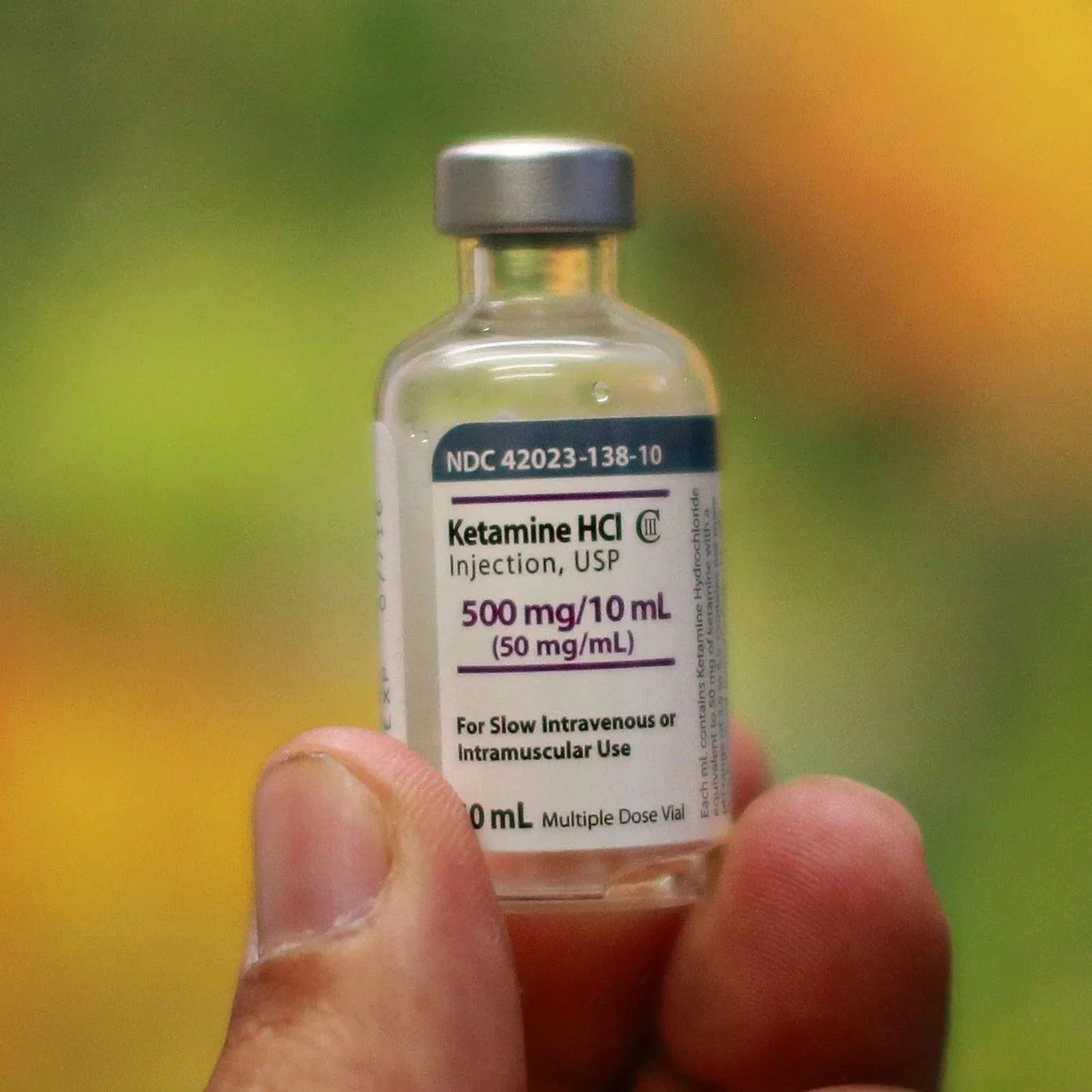
Ketamine is a general anesthetic with mild psychedelic properties that is used in therapeutic and recreational settings. It has been shown to help treat anxiety, depression, PTSD and chronic pain when used in conjunction with various psychology modalities and post dosing integration sessions.
Pharmaceutical Information
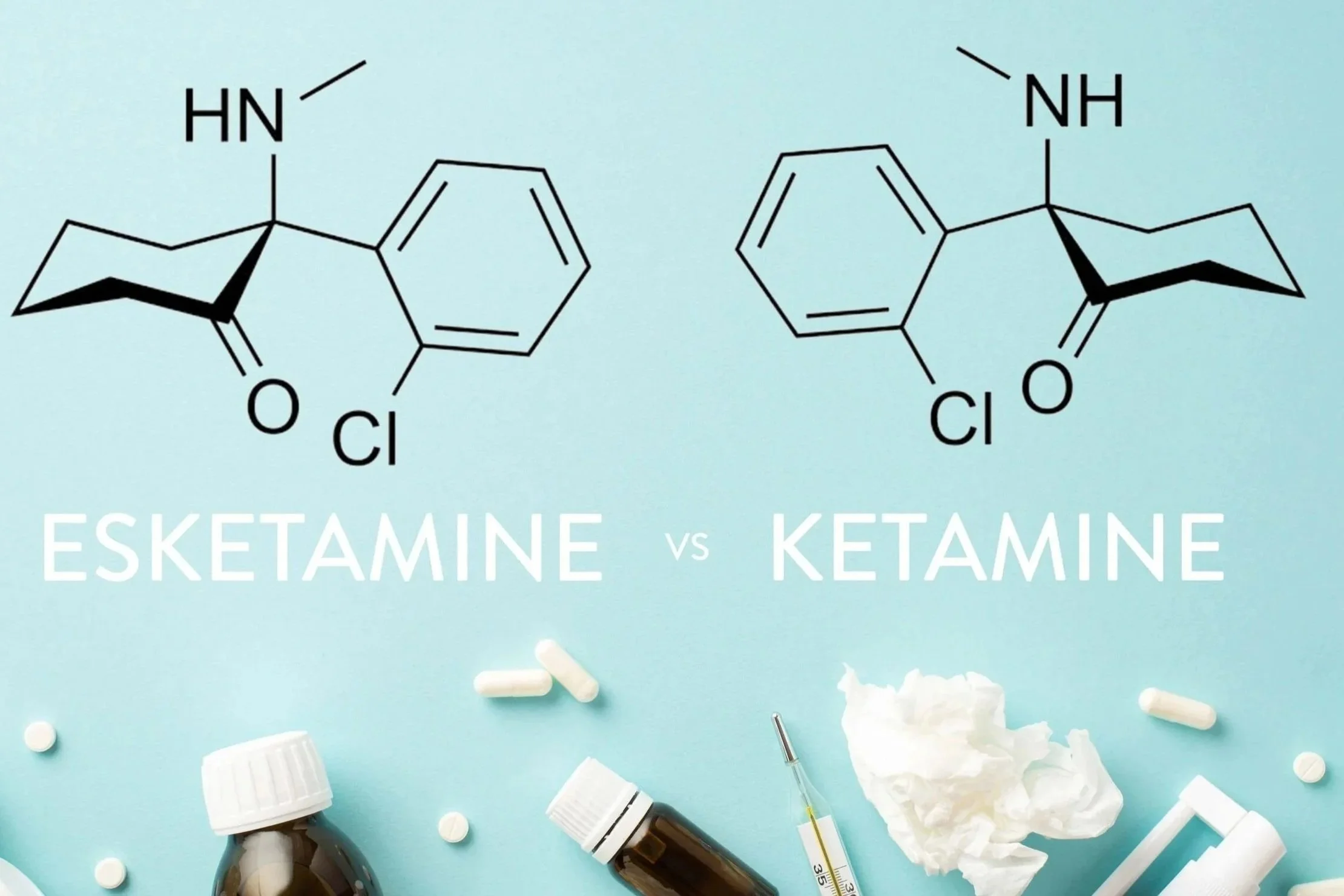
Ketamine is a cyclohexanone-derived general anesthetic and NMDA receptor antagonist with analgesic and hallucinogenic properties. Its medical indications include use for anesthesia, depression, and pain management. Ketamine has two enantiomers, R- (arketamine), the “normal”, right-hand version used primarily as an analgesic and anti-inflammatory, and S- (esketamine), the “flipped” molecular arrangement, and exhibits the more potent antidepressant action that seems to work through other physiological mechanisms in addition to the primary pathway of NMDA antagonism. Dosing sessions for KAP typically use esketamine.
What is KAP suitable for?
Anxiety
Depression
PTSD
Chronic Pain Management
Identity Issues
Processing Chronic Grief
Life Transitions Support
OCD
Treatment Resistant Depression
C-PTSD
Bipolar Depression
Emotional Numbness/Feeling “stuck”
ADHD and AuDHD
Certain Substance Use Disorders (SUD)
About Journey Clinical: Ketamine Assisted Therapy Affiliate
Journey Clinical is a platform for licensed and registered psychotherapists to incorporate Ketamine-Assisted Psychotherapy (KAP) in their practice safely and effectively. Journey Clinical’s in-house medical team takes on patient eligibility, prescriptions and outcome monitoring, while a licensed KAP provider takes on the therapy.